The Echo of the Universe – the science behind the experiment
*L'Écho de l'univers* takes you to the far reaches of the cosmos to witness spectacular phenomena. Behind the immersive fiction, what does science really tell us? This page distinguishes between what has been rigorously established, what constitutes a plausible hypothesis, and what is part of the fictional narrative.
Related experience : The Echo of the Universe
Scientific Validation
Every aspect of the experience has been scrutinised in the light of current scientific knowledge.
Rigorous scientific collaboration for *L'Echo de L'Univers*
Developed in close collaboration with Dr Pierre Henriquet, L’Echo de L’Univers adheres to the principles of scientific plausibility: interstellar distances, the visual appearance of red dwarfs, and the orbital dynamics of the TRAPPIST-1 system.
“The aim was not to give a lesson in astronomy, but to create an emotional experience rooted in the reality of the universe.”
This page is organised into three levels:
- ▸ Scientific truths: established facts published in peer-reviewed journals.
- ▸ Plausible hypotheses: extrapolations consistent with current physics but not confirmed by direct observation.
- ▸ Fiction & Narrative: purely creative elements serving the dramatic structure of the experience.
Scientific Facts
The TRAPPIST-1 Planetary System
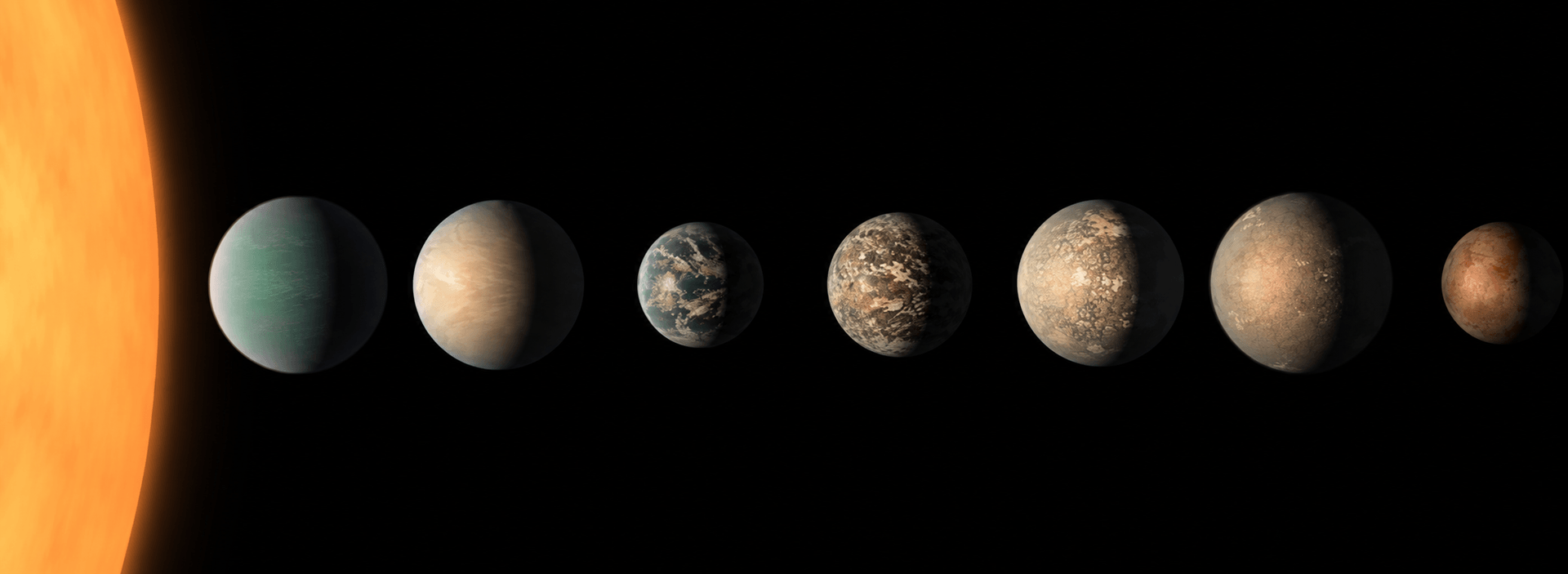
TRAPPIST-1 is an ultra-cool red dwarf star (M8V) located approximately 40 light-years from Earth in the constellation of Aquarius. In 2017, an international team led by Michaël Gillon announced the discovery of seven Earth-sized planets in orbit, three of which (e, f, g) lie within the habitable zone – where liquid water could exist on the surface. With a mass equal to 8 per cent of the Sun’s, the star shines in infrared light and will last for more than 10,000 billion years.
TRAPPIST-1: Synchronous Rotation and Extreme Climate
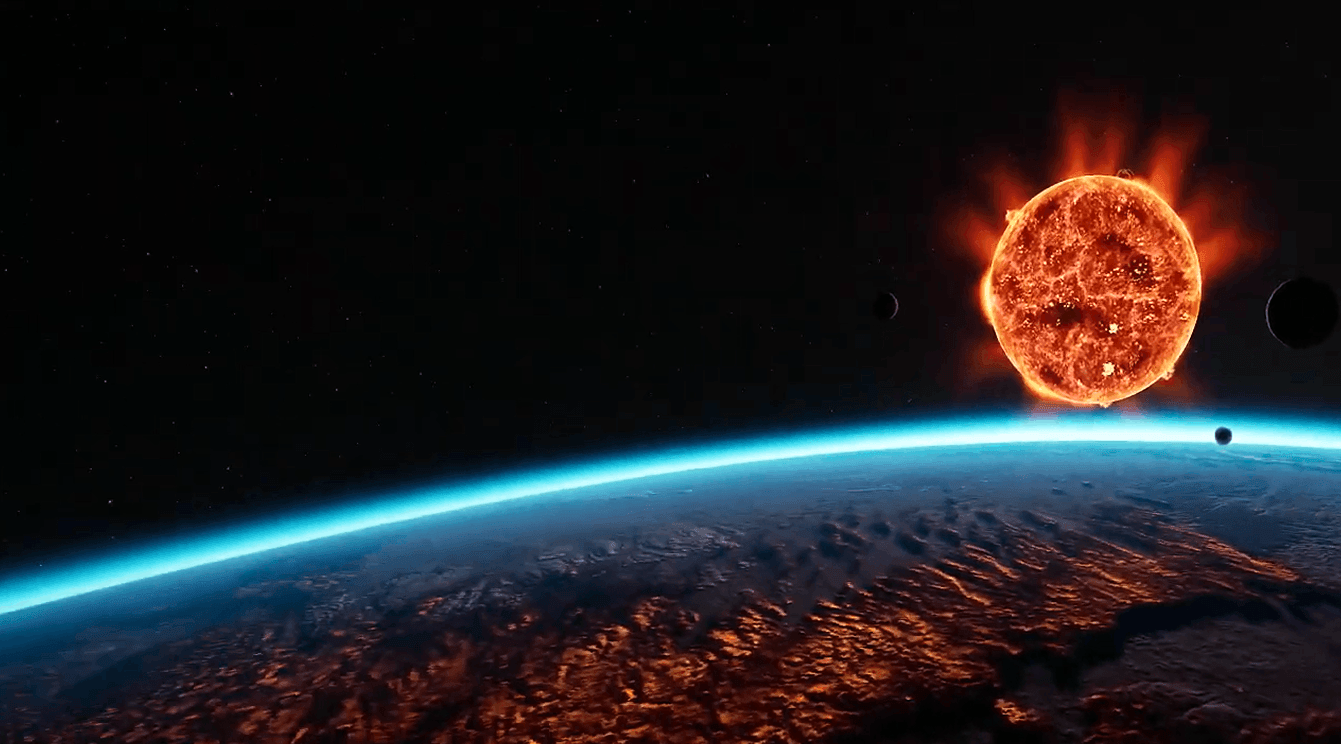
Planets orbiting very close to their star are subject to tidal locking: one side always faces the star (eternal day), whilst the other is in perpetual night. The planets in the TRAPPIST-1 system are likely to be in this state. This creates extreme temperature gradients between the sunlit side and the dark side – unless intense atmospheric circulation redistributes the heat, a crucial factor for habitability.
Tidal Heating
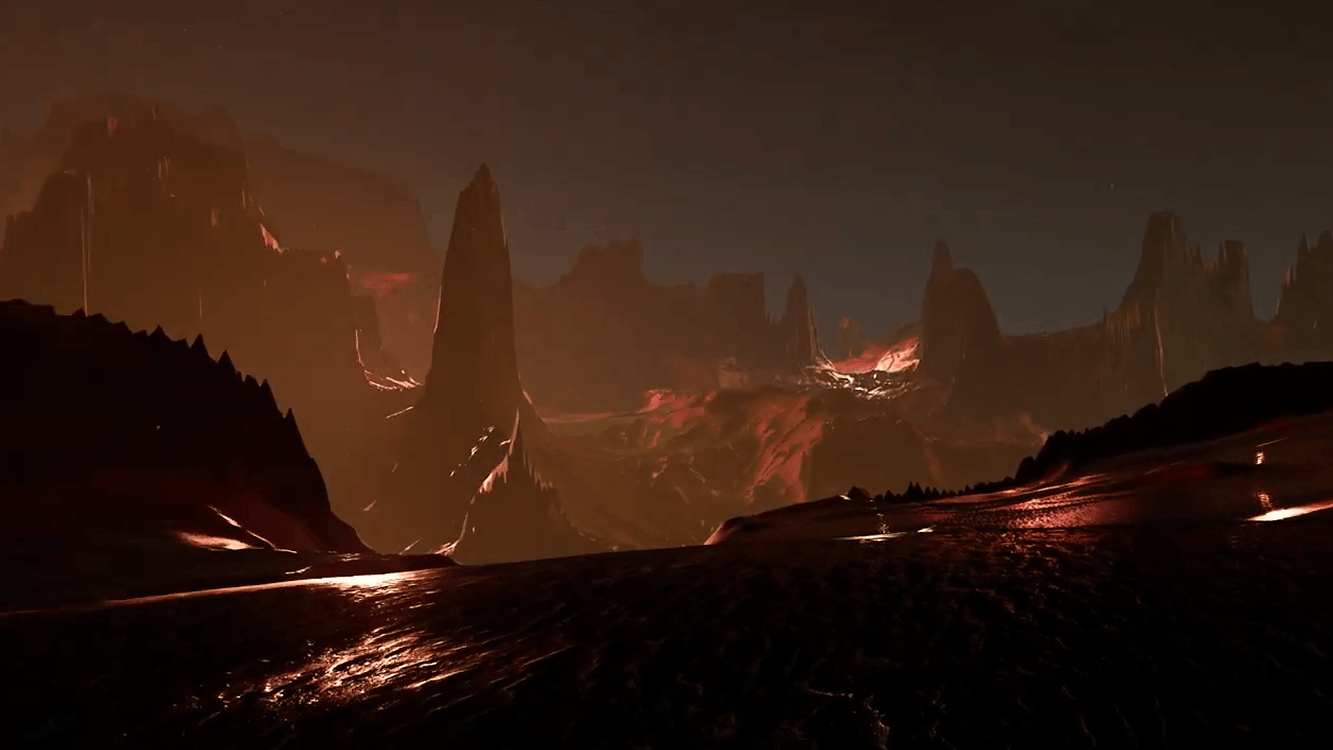
Gravitational interactions between a planet and its neighbours (star, moons, other planets) cause it to deform cyclically, generating internal heat through friction. This mechanism fuels the intense volcanic activity on Io (a moon of Jupiter) and may sustain a liquid ocean beneath the ice on Europa. In the compact TRAPPIST-1 system, orbital resonances could induce significant tidal heating, influencing the habitability of certain planets.
Wandering Planets: Worlds Without Stars
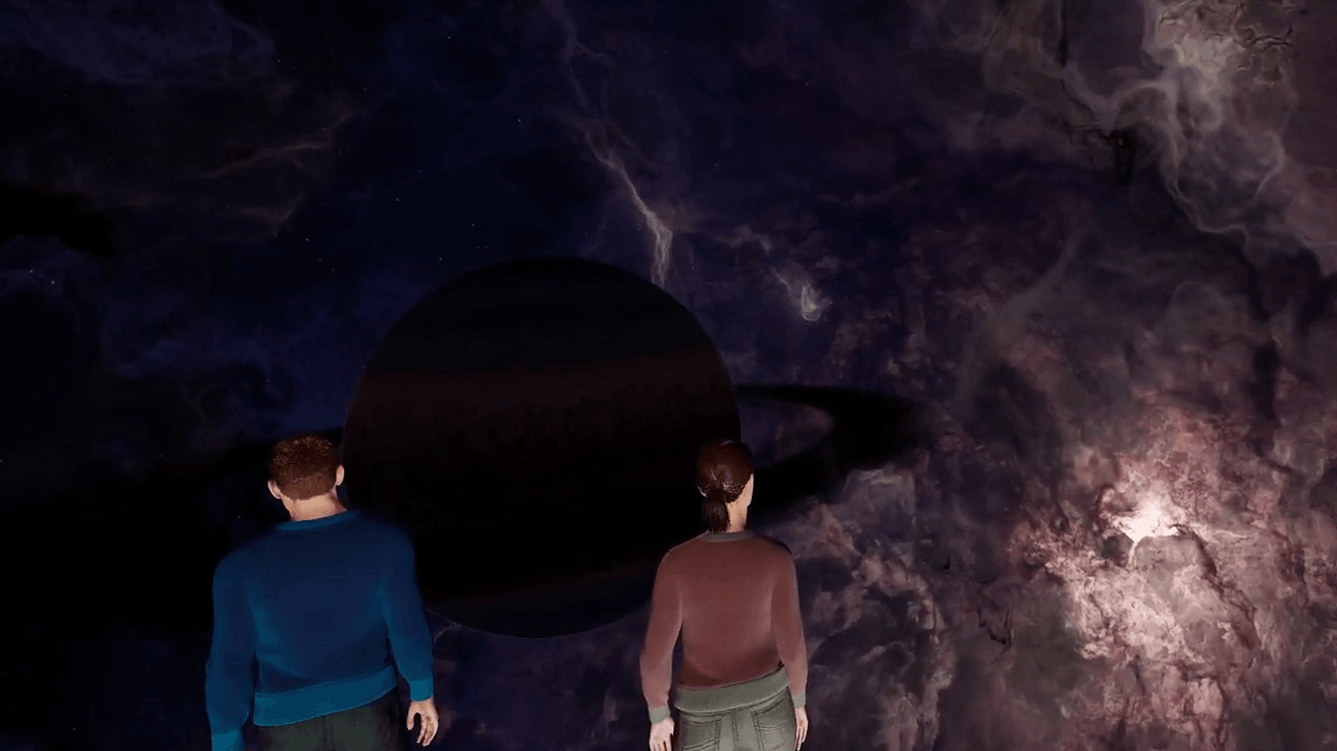
Planets ejected from their original solar systems – or formed in isolation within the interstellar medium – wander freely through the Milky Way. Recent estimates based on gravitational microlensing suggest that there could be billions of such objects in our galaxy, some of which are Earth-mass. Could these obscure worlds harbour life deep within them, warmed by radioactive decay or ancient underground reservoirs?
Mars: A Heavily Bombarded Planet
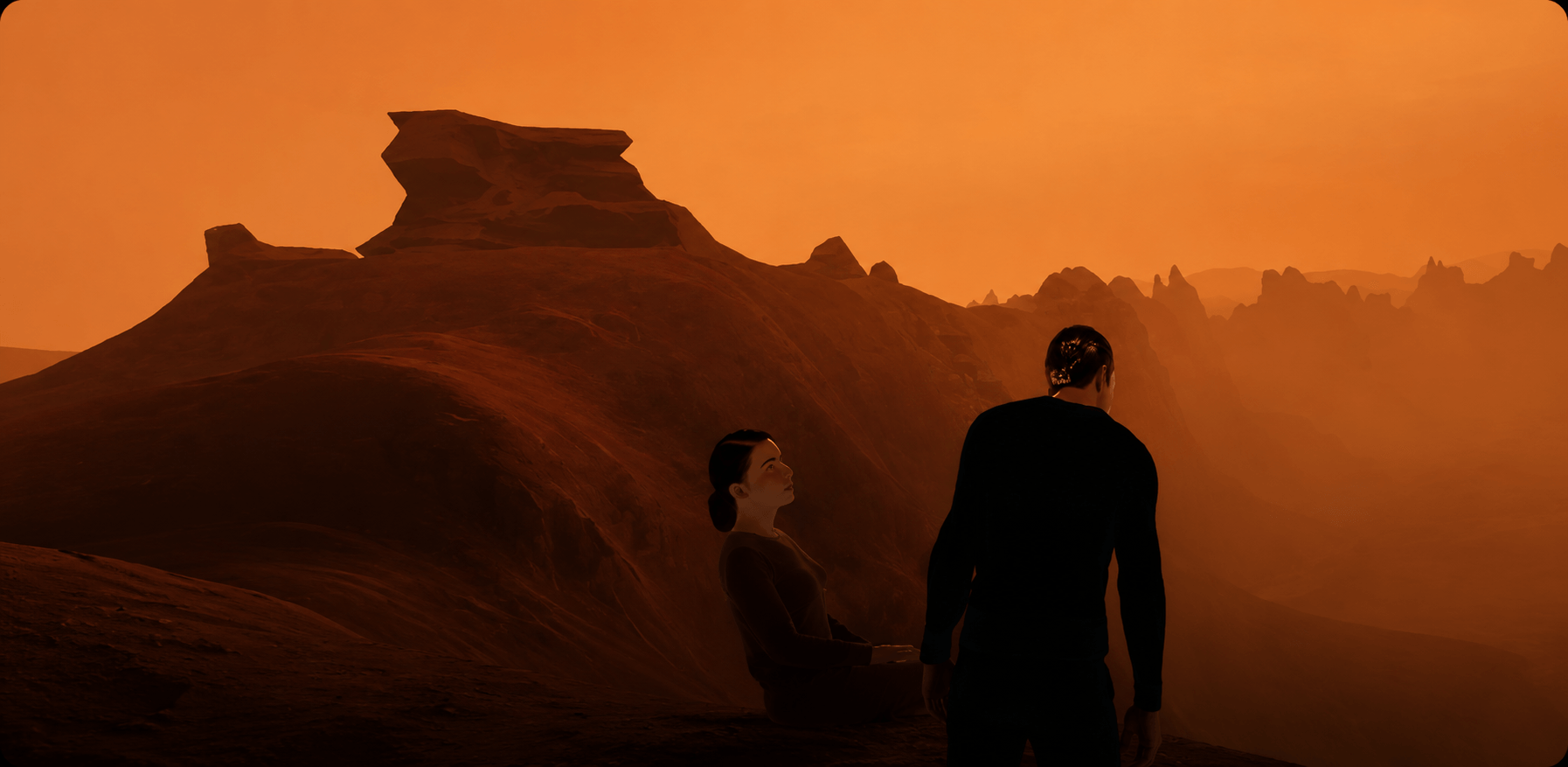
Mars bears the scars of the Late Heavy Bombardment, which took place around 3.9 billion years ago. The Hellas Basin (2,300 km in diameter, 8 km deep) is one of the largest impact structures in the Solar System. Recent studies suggest that the entire northern hemisphere of Mars may have been formed by a single, gigantic primordial impact. These collisions have profoundly shaped the geology, atmosphere and potential history of life on the Red Planet.
The Alfvén Surface: The Sun’s Magnetic Boundary
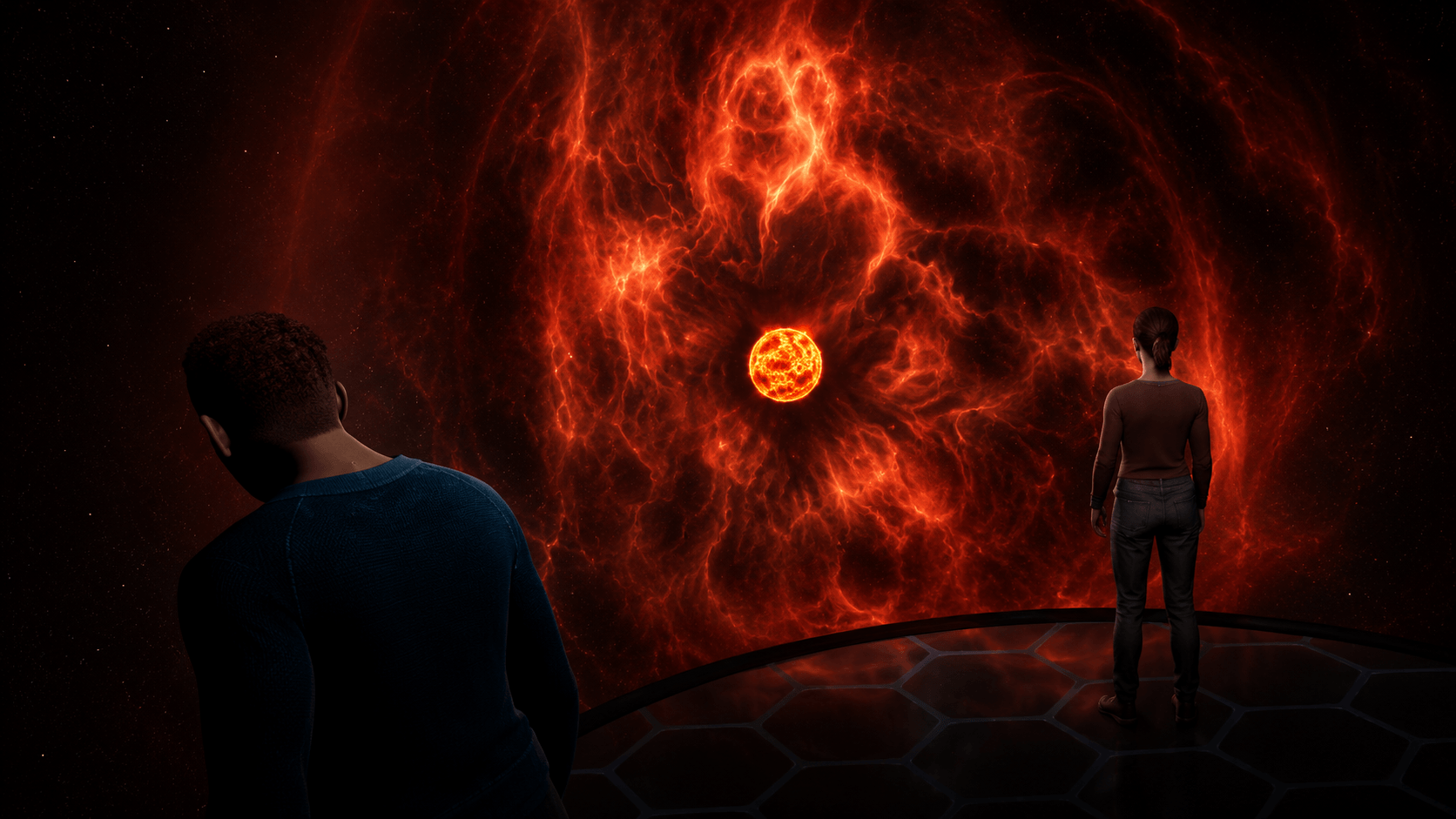
The Alfvén surface is the boundary where the Sun’s magnetic pressure outweighs that of the solar wind: beyond it, the particles escape permanently. In April 2021, NASA’s Parker Solar Probe crossed it for the first time, officially ‘touching’ the Sun at a distance of 18.8 million kilometres. Inside, the magnetised plasma creates ‘switchbacks’ – sudden, localised reversals of the magnetic field, which are not yet fully understood.
Herbig-Haro objects: The Birth of Stars

Herbig-Haro (HH) objects are luminous nebulae formed when jets of ionised gas ejected by young, forming stars collide with interstellar clouds at speeds of several hundred km/s. These shock waves illuminate the surrounding medium and reveal the early stages of star formation. In 2022, the James Webb Space Telescope delivered unprecedented images of HH 211 and HH 46/47, revolutionising our understanding of protostars.
Supermassive Black Holes: The Heart of Galaxies
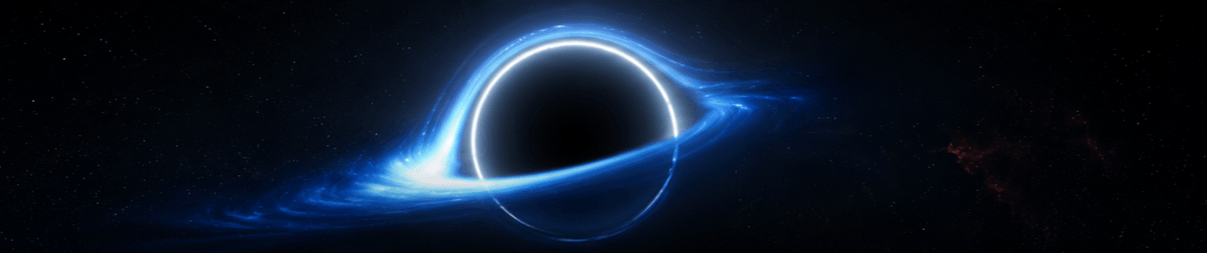
Most large galaxies harbour a supermassive black hole at their centre, with a mass ranging from millions to billions of times that of the Sun. In 2019, the Event Horizon Telescope network captured the first direct image of a black hole: the shadow of M87* (6.5 billion solar masses). In 2022, it photographed Sagittarius A*, the black hole with a mass of 4 million solar masses at the heart of our own galaxy. The relativistic jets ejected by these objects sometimes extend for millions of light-years.
Plausible Hypotheses
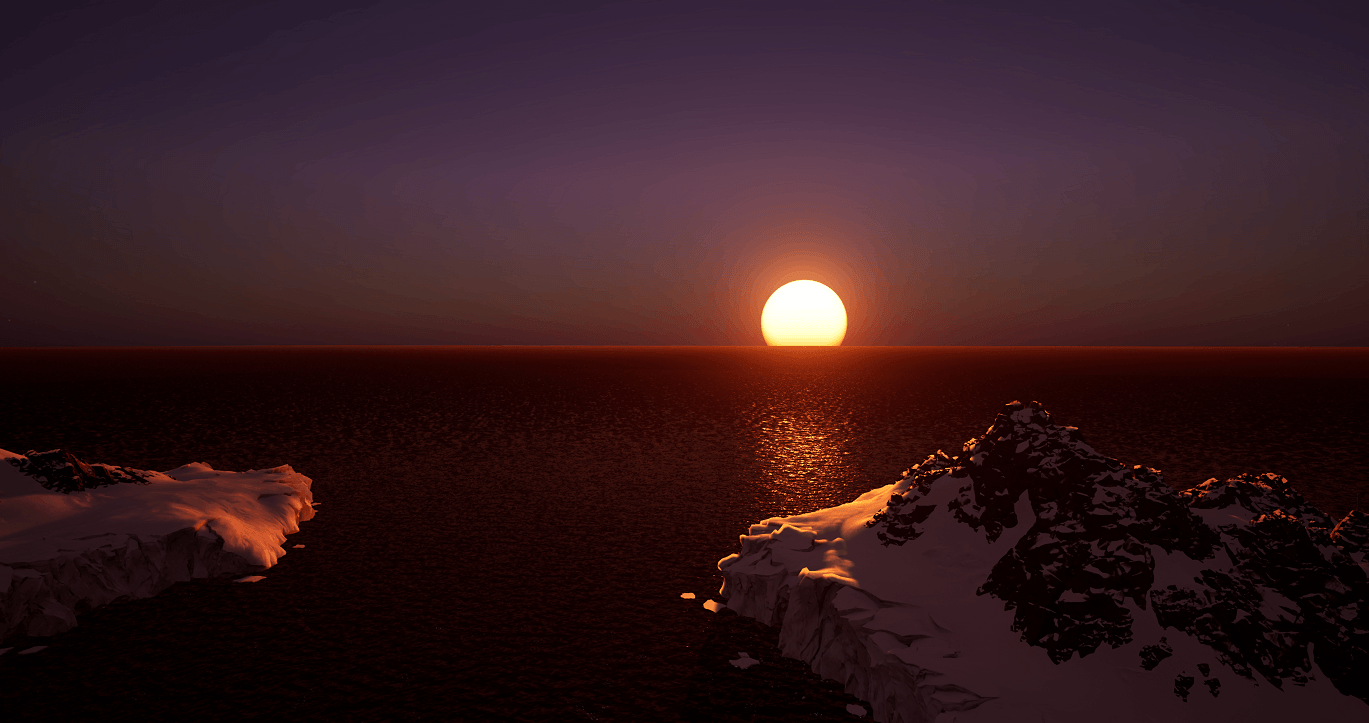 ZONAL HABITABILITY (HYPOTHESIS)
Liquid water detected on TRAPPIST-1 f
Climate models suggest that, on a synchronously rotating planet, a narrow band around the terminator (the boundary between day and night) could maintain conditions compatible with the temporary or local presence of liquid water. This hypothesis depends heavily on the atmospheric composition and wind patterns. The VR experience presents this possibility as a theoretical scientific projection, for which there is currently no observational evidence.
These studies are based on numerical climate models, without direct observational confirmation.
Scientific References
- Turbet, M. et al. (2018). Climate modelling of the TRAPPIST-1 system. A&A.
- Wolf, E.T. (2017). Assessing the habitability of synchronously rotating planets. ApJ, 839.
- NASA – TRAPPIST-1 System Overview
- Pierrehumbert, R. & Hammond, M. (2019). Atmospheric circulation of tidally locked exoplanets. Annual Review of Fluid Mechanics, 51.
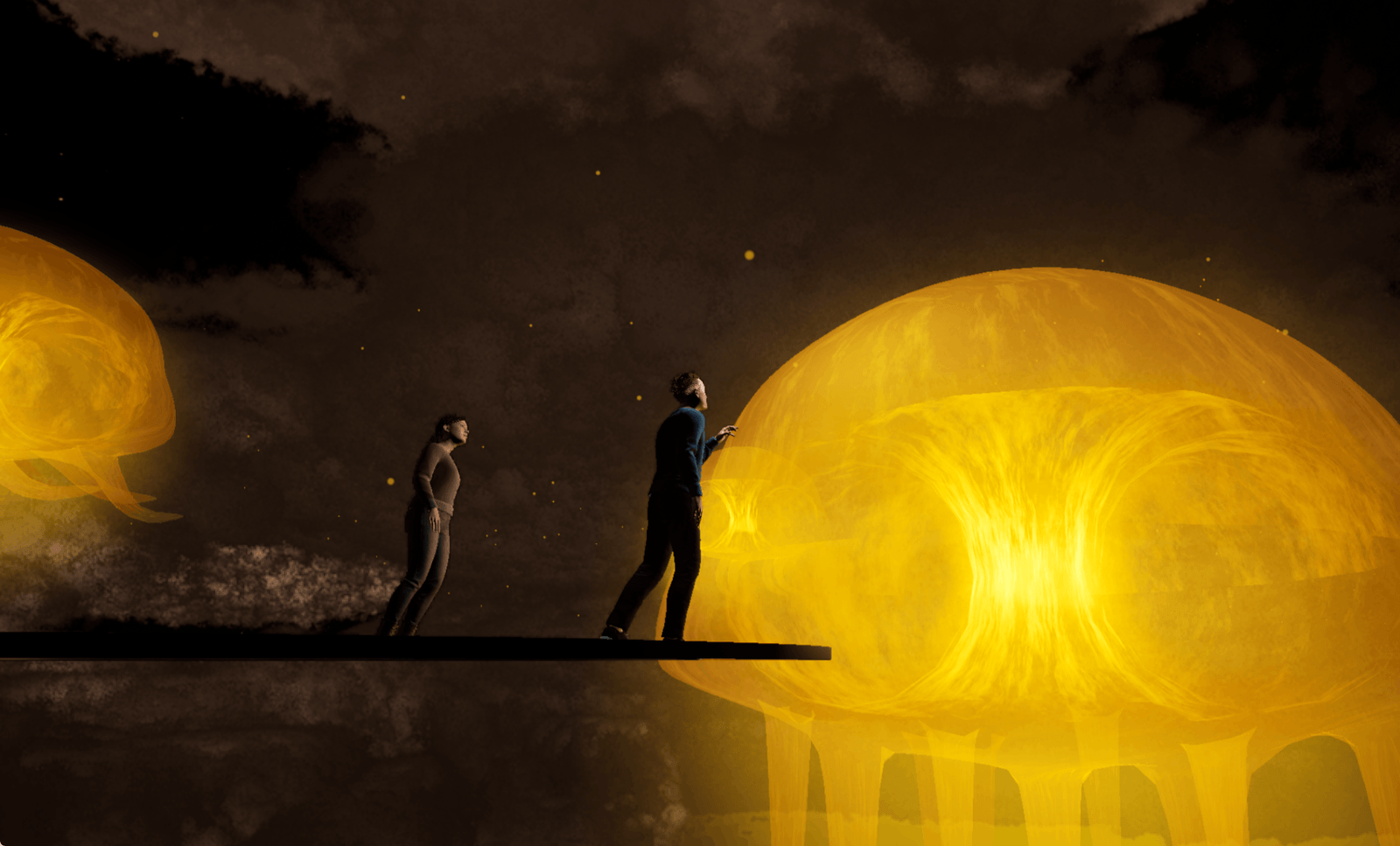 EXOTIC BIOLOGY (HYPOTHESIS)
Hypothetical Atmospheric Life Forms
Certain scientific hypotheses explore the possibility of theoretical biological structures evolving in the upper layers of dense atmospheres, particularly those of gas giants or planets with high atmospheric pressure. These models are based on physicochemical analogies and buoyancy mechanisms, with no direct observations to date. In the experiment, this hypothesis is presented as a framed speculative scenario, to illustrate the diversity of possible environments.
These papers discuss theoretical concepts without any confirmed direct observations.
Scientific References
- Sagan, C. & Salpeter, E.E. (1976). Particles, environments, and possible ecologies in the Jovian atmosphere. ApJ Supplement, 32.
- Seager, S. et al. (2013). Exoplanet habitability. Science, 340.
- NASA Astrobiology Programme – Concepts of Exotic Life
- Lingam, M. & Loeb, A. (2019). Life in the clouds of Venus? Astrobiology, 18(12).
Fiction & Narrative
The following elements are fictional creations specific to the universe of *L'Écho de l'Univers*. They are inspired by real scientific concepts but are presented within a narrative framework and do not claim to be scientifically accurate.
Key Characters in *The Echo of the Universe*
Pure reason. Seeks to understand the echo of the universe through logic.
Instinct and action. The emotional counterbalance.
A consciousness from the future, capable of distorting space-time.
An omniscient collective entity orchestrating the journey.
Science Fiction Concepts from *The Echo of the Universe*
Fractals
Infinite recursive structures representing the mathematical complexity of the universe.
The Artefact
An object of unknown origin hidden beyond the event horizon.
Dyson sphere
A structure that harnesses a star’s total energy (Type II civilisation).
New Civilisation
An encounter with an intelligent being possessing advanced motivations and technologies.
All sources
- Gillon, M. et al. (2017). Seven temperate terrestrial planets orbiting TRAPPIST-1. Nature, 542, 456–460.
- NASA – TRAPPIST-1 Overview
- Turbet, M. et al. (2018). Habitability of TRAPPIST-1 planets assessed using coupled climate-photochemistry models. A&A, 612.
- Kopparapu, R.K. et al. (2016). Habitable Zones Around Main-Sequence Stars. ApJ, 787.
- Peale, S.J., Cassen, P. & Reynolds, R.T. (1979). Melting of Io by Tidal Dissipation. Science, 203(4383), 892–894.
- Turbet, M. et al. (2018). A&A, 612.
- Mróz, P. et al. (2020). No large population of unbound or wide-orbit Jupiter-mass planets. ApJ, 903(1).
- Sumi, T. et al. (2011). Unbound or distant planetary-mass population detected by gravitational microlensing. *Nature*, 473.
- Frey, H.V. (2008). Ages of very large impact basins on Mars. GRL, 35(12).
- Andrews-Hanna, J.C. et al. (2008). A huge impact formed Mars’s northern lowlands. *Nature*, 453.
- Kasper, J.C. et al. (2021). Parker Solar Probe Enters the Magnetically Dominated Solar Corona. PRL, 127(25).
- Fox, N.J. et al. (2016). The Solar Probe Plus Mission. Space Science Reviews, 204.
- Herbig, G.H. (1950). The Spectra of Two Nebular Objects near NGC 1999. ApJ, 111.
- Reipurth, B. & Bally, J. (2001). Herbig-Haro Flows. ARA&A, 39, 403–455.
- EHT Collaboration (2019). First M87 Event Horizon Telescope Results I. ApJL, 875.
- Ghez, A.M. et al. (2008). Measuring the Black Hole Mass at the Centre of the Milky Way. ApJ, 689.
- Turbet, M. et al. (2018). Climate modelling of the TRAPPIST-1 system. A&A.
- Wolf, E.T. (2017). Assessing the habitability of synchronously rotating planets. ApJ, 839.
- NASA – TRAPPIST-1 System Overview
- Pierrehumbert, R. & Hammond, M. (2019). Atmospheric circulation of tidally locked exoplanets. Annual Review of Fluid Mechanics, 51.
- Sagan, C. & Salpeter, E.E. (1976). Particles, environments, and possible ecologies in the Jovian atmosphere. ApJ Supplement, 32.
- Seager, S. et al. (2013). Exoplanet habitability. Science, 340.
- NASA Astrobiology Programme – Concepts of Exotic Life
- Lingam, M. & Loeb, A. (2019). Life in the clouds of Venus? Astrobiology, 18(12).